
Grab your coffee and let’s talk about the TFSA.
When the government introduced the Tax-Free Savings Account back in 2009, it felt almost too good to be true. Put your money in, let it grow completely sheltered from the taxman, and pull it out whenever you want. No strings attached.
Except there are strings. Actually, they’re more like heavy steel cables if you aren’t paying attention.
Most Canadians treat their TFSA like a standard savings or brokerage account. They buy some bank stocks, maybe an index fund, and check it once a quarter. That’s fine. That’s what the CRA intended.
The problem starts when people treat their TFSA like a Vegas casino or a day job.
The Fine Line Between Investing and Trading
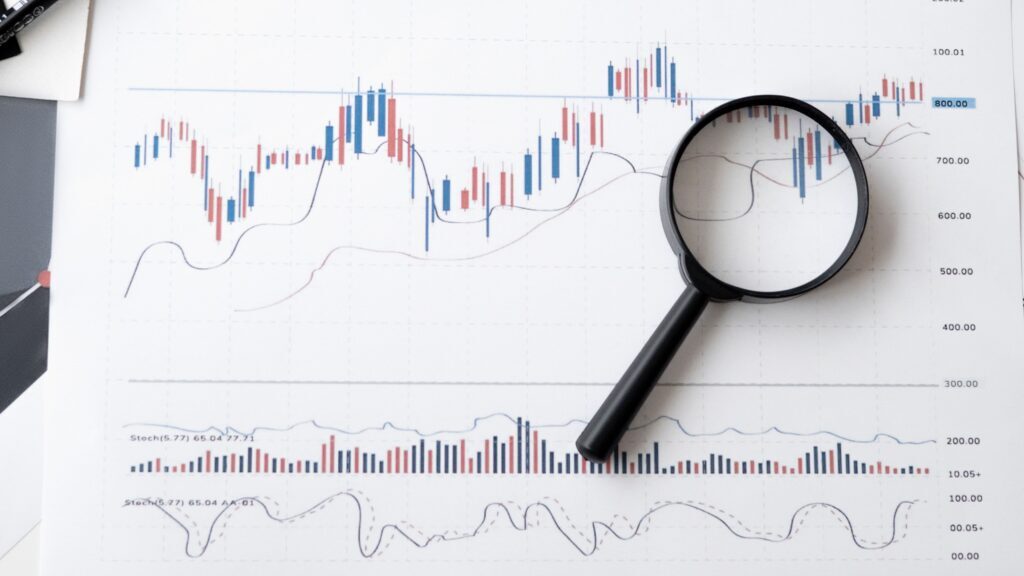
Picture this scenario. You’re working your regular 9-to-5, but during your lunch break and late into the evening, you’re glued to stock charts. You’re buying and selling tech stocks daily, sometimes hourly. You catch a lucky wave on a volatile penny stock, and suddenly your ten-thousand-dollar TFSA balloons to a hundred grand in a matter of months. You feel like a genius.

Then tax season rolls around.
You think those massive gains are yours to keep tax-free. But the Canada Revenue Agency looks at your account and sees something entirely different. They don’t see an investor building long-term wealth. They see a business.
And that’s where the hammer drops.
The Income Tax Act says that business income is fully taxable. While the rules are intentionally vague to give the CRA room to maneuver, they look closely at a few specific habits. Do you trade frequently? Do you hold stocks for mere days or hours? Do you have specialized knowledge in finance? Are you spending significant time on these transactions?
If you answered yes to most of those, the CRA might decide you’re running a business inside your TFSA. When that happens, your tax-free paradise vanishes. Those gains get reclassified as business income, meaning you’ll pay full freight on every penny.
Why the CRA Cares About Your Side Hustle
The TFSA was built for saving, not speculating. The government never intended for day traders to shelter millions of dollars in capital gains while paying zero tax, especially when those trading strategies mimic professional market-makers.
Worse yet, if the CRA determines you’re carrying on a business in your TFSA, they can also hit you with penalties. Your account loses its tax-exempt status, and suddenly you’re facing retroactive taxes that can wipe out your profits entirely.
It’s a bitter pill to swallow after you spent months staring at blinking red and green numbers on a screen.
How to Stay on the Right Side of the Line
You don’t need to panic, but you do need common sense.
If your strategy involves buying solid companies and holding them for the long haul, you’re in a safe zone. Rebalancing your portfolio a couple of times a year won’t trigger any alarm bells. The system works.
However, if you’re tempted to try out algorithmic trading, swing trading, or holding massive positions in highly speculative assets inside your TFSA, you are playing with fire.
Keep the aggressive, high-frequency trading in a regular taxable account where it belongs. Let your TFSA do what it was actually designed to do: grow your long-term wealth quietly and steadily in the background.
Tax rules around trading frequency are notoriously grey, and the CRA evaluates every case based on its own unique facts. If you’ve been aggressively trading in your account and you’re worried about what might happen come audit time, don’t guess. Talk to a qualified tax professional who can look at your specific situation and give you straight answers before the taxman does.