
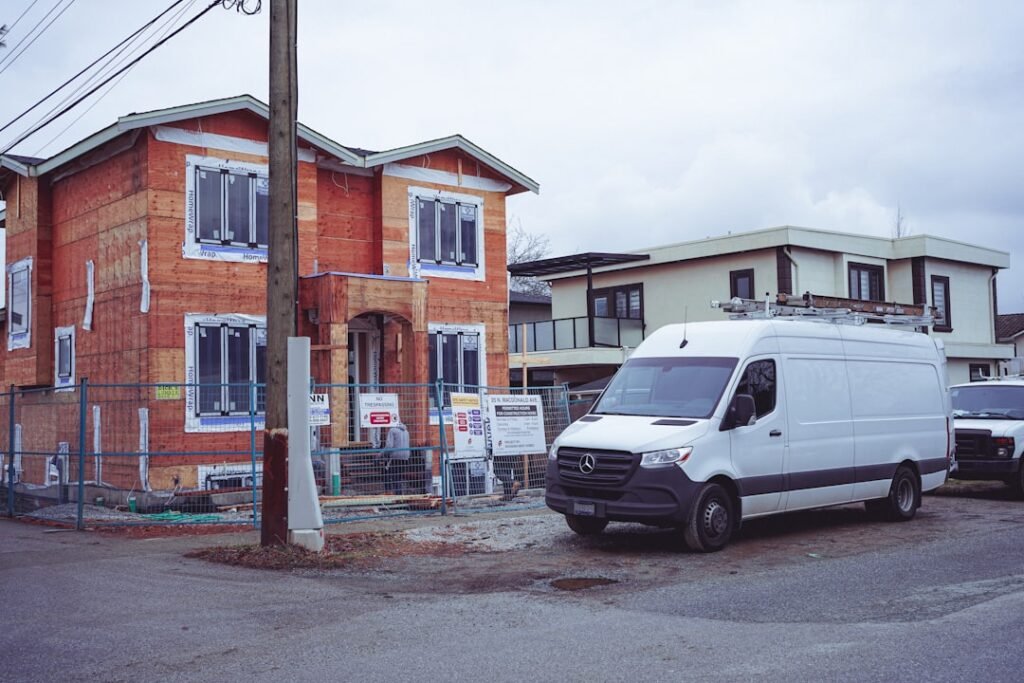
The Housing Math That Doesn’t Add Up
If you have tried to buy a home or even rent an apartment recently, you already know the system is broken. Prices are high. Inventory is low. Everyone has an opinion on why we got here.

The Canada Mortgage and Housing Corporation dropped a massive reality check on us a while back. Their math says Canada needs to build roughly 3.5 million *additional* homes by 2030 just to restore affordability. That is on top of what we were already planning to build.
Let that sink in for a moment.
Can We Actually Build That Fast?
Short answer? Probably not. The target of 3.5 million extra homes requires a complete overhaul of how we approach construction in this country. Builders face massive hurdles every single day. Supply chain snags are real. Interest rates make financing multi-million dollar projects painfully expensive.
Then you have the labour shortage.
Carpenters, electricians, and plumbers are retiring faster than apprentices are entering the trades. You cannot throw up a tower of condos without people swinging hammers. Municipal red tape does not help either. Zoning laws in places like Toronto and Vancouver can drag out project approvals for years before a single shovel hits the dirt.
A Real-World Scenario
Picture a mid-sized developer in Ontario named Dave. Dave wants to build a three-story multiplex on a lot that currently holds an old single-family home. It sounds straightforward. Yet, Dave spends eighteen months arguing with the city about parking minimums and shadow bylaws.
By the time he finally gets the green light, his construction loan interest rate has doubled. The cost of lumber and concrete has climbed twenty percent. Dave looks at the spreadsheet, realizes he will lose money on the project, and scraps it.
Multiply Dave’s frustration by tens of thousands of projects across the country. That is why hitting the CMHC target feels like chasing a mirage.
What This Means for Buyers and Investors
If the supply targets are unlikely to be met, the laws of basic economics take over. Demand keeps rising because of immigration and demographic shifts. Supply lags behind. Prices may level off temporarily when interest rates spike, but long-term upward pressure on housing costs remains very real.
Real estate investors often ask if this means a permanent bull market. Markets do not move in straight lines. Regulatory changes, tighter mortgage rules, and shifting tax policies can catch you off guard.
Looking at the Bigger Financial Picture
Real estate is rarely just about bricks and mortar. It forms the backbone of many Canadian net worth statements. How you structure your property holdings matters just as much as buying the right house.
Tax implications on secondary properties, capital gains rules, and refinancing strategies can quietly drain your returns if you are not paying attention. Everyone’s financial situation looks different. What works for your neighbor buying a pre-construction condo might ruin your cash flow.
Before making your next big real estate move, talk to a qualified professional who understands both the Canadian tax landscape and your personal goals. Do not rely on headlines alone.